Faculty of Peace Education in association with IAEWP (NGO ECOSOC UN)

Dean : Steve Rajan Farukh, Director General, IAEWP ( NGO ECOSOC UN )
https://iaewp-org.blogspot.com/p/institute-of-peace-education-iaewp.html
FACULTY OF PEACE STUDIES

Information Center:
Unit Commercial 33C-3-5, Villa Puteri Condominium, Jalan Tun Ismail, 50480 Kuala Lumpur, Malaysia.
.
Peace studies faculty play a crucial role in fostering understanding, research, and education in the field of peace and conflict resolution. Here are several reasons highlighting the importance of peace studies faculty:
- Expertise in Conflict Resolution: Peace studies faculty members are typically experts in conflict resolution, negotiation, and mediation. Their knowledge and skills contribute to finding peaceful solutions to conflicts at various levels, from interpersonal to international.
- Educating Future Peacebuilders: Faculty members in peace studies programs educate and mentor students who are interested in becoming future peacebuilders. They provide students with the necessary knowledge, tools, and perspectives to contribute effectively to conflict prevention, resolution, and post-conflict reconstruction.
- Research and Innovation: Faculty members engage in research that advances the understanding of conflict dynamics and peacebuilding processes. Their research contributes to the development of new theories, methodologies, and practices in the field, fostering innovation in peace studies.
- Promoting Social Justice: Peace studies often intersects with social justice issues. Faculty members play a role in educating students about systemic injustices, human rights, and ways to address these issues through peaceful means.
- Building Cross-Cultural Understanding: Peace studies faculty often emphasize the importance of cultural competence and understanding in resolving conflicts. Their work helps bridge cultural gaps and promotes cross-cultural dialogue, fostering mutual understanding and respect.
- Policy Advocacy: Faculty members may engage in policy research and advocacy, influencing governmental and non-governmental organizations to adopt policies that contribute to peace and conflict resolution. They may also participate in peacebuilding initiatives at local, national, and international levels.
- Community Engagement: Many peace studies programs encourage community engagement and service. Faculty members often collaborate with local communities, NGOs, and grassroots organizations, bringing academic insights to practical peacebuilding efforts.
- Global Perspective: Given the interconnected nature of today’s world, peace studies faculty provide a global perspective on conflict and peace. They help students understand the global context of conflicts and the importance of international cooperation in fostering peace.
- Promoting Nonviolent Communication: Faculty members often teach and promote nonviolent communication skills, emphasizing the importance of dialogue, empathy, and understanding in resolving conflicts without resorting to violence.
- Creating a Culture of Peace: Ultimately, peace studies faculty contribute to the creation of a culture of peace by instilling in their students a commitment to nonviolence, justice, and cooperation. This, in turn, can have a positive ripple effect in society.
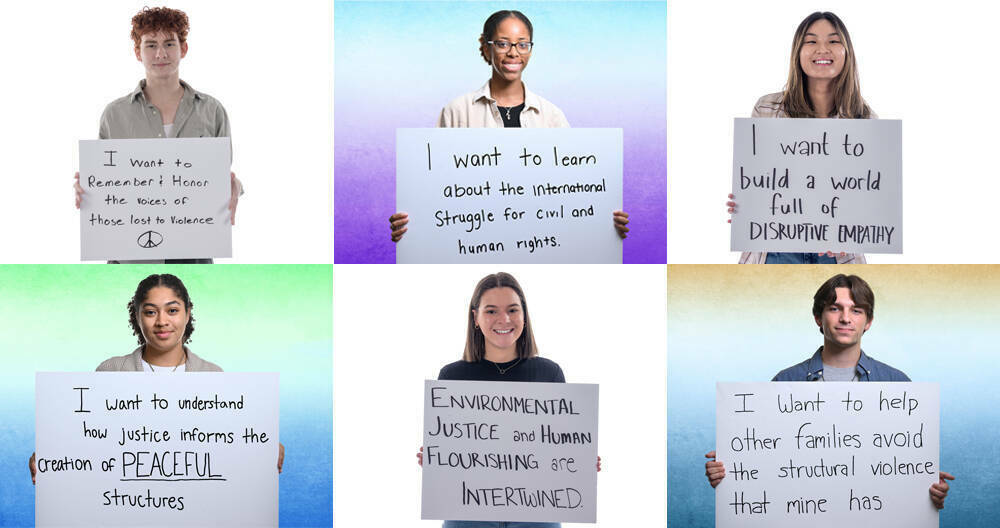
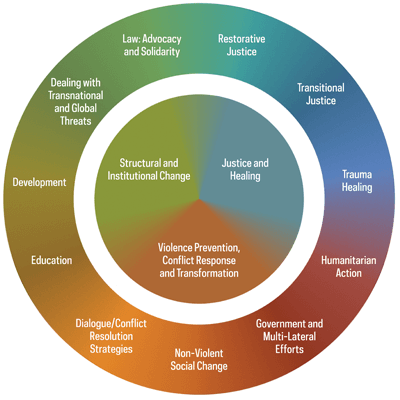
In summary, peace studies faculty are instrumental in shaping the next generation of peacebuilders, conducting impactful research, and actively contributing to the promotion of peace, justice, and understanding in a diverse and interconnected world.
This faculty has access to 37 different volumes of encyclopedia in association with the Office of the President of The International Association of Educator for World Peace. New Delhi, India.
• 11 Volume World Encyclopedia of Peace and Global Security.
• 10 Volume World Encyclopedia of Disarmament Studies.
• 30 Volume World Encyclopedia of Ecology and Environment.
• 12 Volume World Encyclopedia of Disaster Management.
• 30 Volume World Encyclopedia of Sustainable Development.
• 10 Volume World Encyclopedia of Intellectual Property Rights.
• 11 Volume World Encyclopedia of Interfaith Studies.
• 8 Volumes World Encyclopedia of Green Business.
• 10 Volume World Encyclopedia of Green Technology.
• 8 Volume World Encyclopedia of Blue Economy.
• 50 Volume World Encyclopedia of Women’s Studies.
• 10 Volume World Encyclopedia of Habitat and Population Studies.
• 10 Volume World Encyclopedia of Biotechnology.
• 10 Volume World Encyclopedia of Nanotechnology.
• 12 Volume World Encyclopedia of Research Methodology.
• 10 Volume World Encyclopedia of Materials Management.
• 10 Volume World Encyclopedia of Production and Operations Management.
• 11 Volume World Encyclopedia of Spirituality.
• 10 Volume World Encyclopedia of Anti-Terror Laws.
• 11 Volume World Encyclopedia of Cleanliness, Hygiene and Sanitation.
• 11 Volume World Encyclopedia of Hinduism.
• 10 Volume World Encyclopedia of Geoinformatics.
• 10 Volume World Encyclopedia of Eco-Philosophy.
• 10 Volume World Encyclopedia of Institutional Management.
• 10 Volume World Encyclopedia of Total Quality Management.
• 20 Volume World Encyclopedia of Economics.
• 10 Volume World Encyclopedia of Dalit Studies.
• 10 Volume World Encyclopedia of Criminology.
• 10 Volume World Encyclopedia of Forensic Science.
• 10 Volume World Encyclopedia of Ecotourism.
• 10 Volume World Encyclopedia of Global Warming Reduction.
• 10 Volume World Encyclopedia of Pollution Control.
• 10 Volume World Encyclopedia of Bioinformatics.
• 10 Volume World Encyclopedia of Geriatric Care.
• 25 Volume World Encyclopedia of Social Work.
• 10 Volume World Encyclopedia of Trafficking Abatement.
• 10 Volume World Encyclopedia of Educational Planning and Administration