
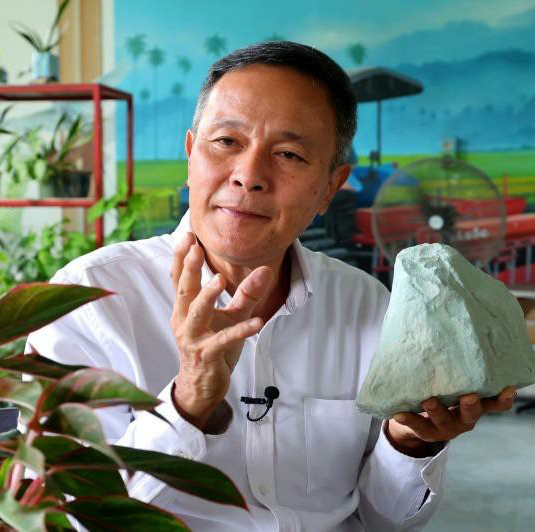
Dr. Abas Mazni Othman
Deen Faculty of Agro-based Medicinal Herbs.
Executive Summary:
The establishment of a Faculty of Agro-based Medicinal Herbs (FAMH) aims to address the growing demand for research, education, and practical applications in the field of medicinal herbs within the context of agriculture. FAMH will serve as a leading institution dedicated to advancing knowledge, innovation, and sustainable practices related to agro-based medicinal herbs.
Introduction:
Medicinal herbs play a vital role in traditional and modern healthcare systems worldwide. With increasing interest in natural remedies and holistic approaches to health, there is a growing need for scientific research, cultivation techniques, and value chain development for medicinal herbs. FAMH will bridge the gap between agriculture and medicine by focusing on the cultivation, processing, and utilization of medicinal plants.
Objectives:
- To conduct cutting-edge research on the cultivation, genetics, pharmacology, and sustainable production of medicinal herbs.
- To offer academic programs, workshops, and training courses to educate students, farmers, and professionals about agro-based medicinal herbs.
- To establish partnerships with local communities, research institutions, industry stakeholders, and government agencies to promote the conservation and cultivation of medicinal plants.
- To develop innovative technologies, products, and market opportunities in the field of agro-based medicinal herbs.
- To provide consultancy services, technical assistance, and policy recommendations to support the development of the herbal medicine sector.
Activities:
- Research: FAMH will undertake interdisciplinary research projects focused on the identification, cultivation practices, genetic improvement, and therapeutic potential of medicinal herbs. Research areas may include plant breeding, agroecology, phytochemistry, pharmacology, and biotechnology.
- Education: FAMH will offer undergraduate and postgraduate programs in agro-based medicinal herbs, including courses in botany, agronomy, pharmacognosy, and herbal product development. Short-term training programs and workshops will also be organized for farmers, herbalists, and industry professionals.
- Outreach and Extension: FAMH will engage with local communities, farmer groups, and herbal medicine practitioners to promote sustainable cultivation practices, conservation initiatives, and income-generating opportunities related to medicinal herbs. Extension services will provide technical support, advisory services, and access to quality planting materials.
- Innovation and Entrepreneurship: FAMH will foster innovation and entrepreneurship in the herbal medicine sector by supporting research commercialization, start-up incubation, and value chain development. Collaboration with industry partners will facilitate the development of herbal products, nutraceuticals, and cosmeceuticals.
- Policy Advocacy: FAMH will advocate for policies and regulations that support the sustainable management, cultivation, and utilization of medicinal plants. Policy research, stakeholder engagement, and advocacy campaigns will promote the integration of herbal medicine into national healthcare systems and agricultural development strategies.
Resource Requirements:
- Infrastructure: FAMH will require laboratory facilities, research farms, greenhouses, lecture halls, and administrative offices.
- Faculty and Staff: FAMH will recruit qualified faculty members, researchers, extension specialists, and support staff with expertise in botany, agriculture, pharmacology, and related fields.
- Funding: FAMH will seek financial support from government grants, research contracts, philanthropic donations, and tuition fees to sustain its operations and research activities.
- Partnerships: FAMH will collaborate with academic institutions, research organizations, government agencies, NGOs, industry partners, and international agencies to leverage expertise, resources, and networks.
Conclusion:
The establishment of a Faculty of Agro-based Medicinal Herbs will contribute to the advancement of scientific knowledge, economic development, and public health promotion through the sustainable cultivation and utilization of medicinal plants. FAMH will serve as a center of excellence in herbal medicine education, research, and outreach, empowering communities and fostering innovation in the herbal medicine sector.
Dr. Abas Mazni Othman
Deen Faculty of Agro-based Medicinal Herbs.
CEO
Apadana Agro Sdn BhdApadana Agro Sdn Bhd
Mar 2011 – Present · 13 yrs 2 mosMar 2011 – Present · 13 yrs 2 mos
8 & 10, Jalan 1/9, Desa Vista, 43900 Bandar Baru Salak Tinggi, Selangor, M’sia
Education
Department of Theriogenology, Faculty of Veterinary Medicine, Hokaido University, Sapporo, JapanDepartment of Theriogenology, Faculty of Veterinary Medicine, Hokaido University, Sapporo, Japan
Doctor of Philosophy (PhD), Reproductive Biotechnology & CryobiologyDoctor of Philosophy (PhD), Reproductive Biotechnology & Cryobiology.
1986 – 19901986 – 1990
Departmentvof Theriogenology, Faculty of Veterinary Medicine, Hokaido University, Sapporo, JapanDepartmentvof Theriogenology, Faculty of Veterinary Medicine, Hokaido University, Sapporo, Japan.
MSc, CryobiologyMSc, Cryobiology
1985 – 19861985 – 1986
Faculty of Veterinary Medicine, Universiti Putra Malaysia, Serdang, Selangor, MalaysiaFaculty of Veterinary Medicine, Universiti Putra Malaysia, Serdang, Selangor, Malaysia
Doctor in Veterinay Medicine, DVMDoctor in Veterinay Medicine, DVM
1974 – 1979
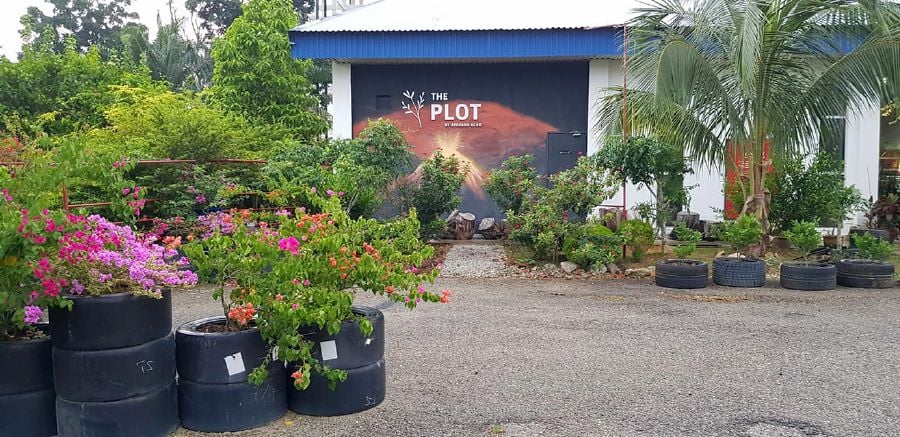
THE PLOT PILOT PROJECT
The Plot, located at the Malaysia Agro Exposition Park Serdang (MAEPS) which features more than 500 types of plants, is offering a unique agro-tourism experience as well as classes for visitors to learn more about the science of farming.
Apadana Agro Sdn Bhd chief executive officer, Dr Abas Mazni Othman, said The Plot which occupies two acres of land, is a one-stop centre offering visitors activities to learn about the types of plants cultivated there through its agro tourism programmes.
“We developed The Plot to benefit individuals who are interested in getting to know plant species that may now be difficult to find anywhere, including those who wish to learn how to cultivate plants.
“I would like to change the perception that agriculture is not fun, hot and smelly because if done right, it is not only fun but can help generate income,” he told Bernama in an interview recently.
Abas Mazni said The Plot was divided into 10 sections namely zeolite (volcanic rock) and zeolite-based products; water catchment area; innovative planting media; main crops; outdoor garden; indoor garden, animal farm; retail outlets; centre for recreation as well as training, events and consultancy.
The Plot was divided into 10 sections namely zeolite (volcanic rock) and zeolite-based products; water catchment area; innovative planting media; main crops; outdoor garden; indoor garden, animal farm; retail outlets; centre for recreation as well as training, events and consultancy. – Pic credit Facebook The PLOT by Apadana Agro.
The Plot was divided into 10 sections namely zeolite (volcanic rock) and zeolite-based products; water catchment area; innovative planting media; main crops; outdoor garden; indoor garden, animal farm; retail outlets; centre for recreation as well as training, events and consultancy. – Pic credit Facebook The PLOT by Apadana Agro.

The former Malaysian Agricultural Research and Development Institute (MARDI) scientist said the animal farm on The Plot was filled with chickens, ducks, goats, fish, pigeons, and quails.
He said The Plot was also cultivated with trees and plants that are unique and rare, including lemon myrtle, acerola cherry, miracle berry, Surinam cherry, black turmeric and fragrant flowers, including kesidang (bread flower), Magnolia champaca, orange jasmine and Tonkin jasmine.
The lemon myrtle plant was imported from Australia, he said, claiming that only The Plot and an agropreneur in Selangor are cultivating this plant for commercial purposes.
“This miracle berry tree, originally from Mexico, is true to its name, it can change the sour taste of food into a sweet taste,” he said.
According to him, the crops at The Plot are cared for using environmentally friendly methods that minimise the use of chemical fertilisers to maintain environmental sustainability, including using used tires to replace flower pots.

“We have a section called Tyre Garden@The Plot with the concept of sustainable use of waste materials where old tyres are set out according to the needs of each plant type by prioritising maintenance efficiencies such as watering, fertilising, weeding and cleaning,” he said, adding that the tyres also function as barriers to mark the edges of the garden.
Abas Mazni said the plants were also processed to produce products such as tea and aromatherapy oil from lemon myrtle and pickles, jam and juice from the roselle plant, which are being sold in the retail section of The Plot.
Located at the Mechanisation and Automation Technology Site, The Plot is open daily from 9am to 7pm.